Storm Damage Recovery: Managing Debris After North Texas Summer Storms
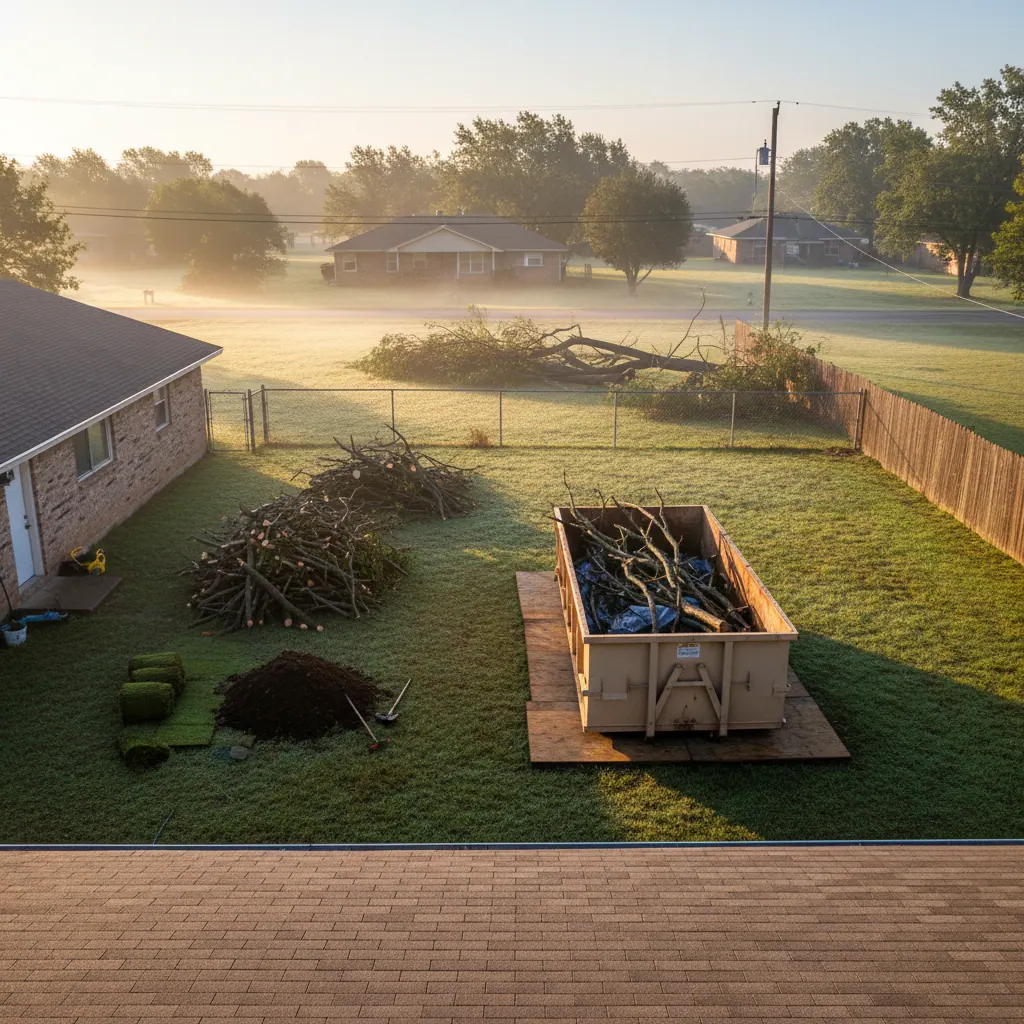
Recovering from North Texas summer storms requires strategic debris management. Learn how to safely sort waste, choose between 15 and 20-yard dumpsters, and navigate Fort Worth regulations with JDA Select Services.
When the sirens go off in Tarrant County, every North Texas homeowner knows the drill. We head to the interior room, wait for the hail to stop pounding the roof, and listen for the unmistakable roar of high-speed winds. But once the sky clears and the sun returns, a different kind of challenge begins. Whether it is a sudden microburst in Keller or a sustained line of severe thunderstorms rolling through Mansfield, the aftermath often leaves our properties looking like a combat zone. Managing that debris is not just about aesthetics; it is about safety, property value, and reclaiming your peace of mind.
At JDA Select Services, we have been on the front lines of storm recovery across the DFW Metroplex since 2021. As a veteran-owned and family-operated business, we bring a level of military-grade discipline to the chaos that follows a Texas storm. We have seen everything from century-old oak limbs piercing roofs in the Near Southside to massive piles of saturated insulation in flooded Benbrook basements. Cleaning up after a storm is a marathon, not a sprint, and having the right strategy for debris management—specifically knowing when and how to utilize a roll-off dumpster—can make the difference between a three-day recovery and a three-month headache.
Recovering from North Texas summer storms requires a strategic approach to debris management to ensure safety and efficiency. Homeowners must first categorize waste into green waste, construction debris, and hazardous materials to comply with Fort Worth and Tarrant County regulations. Utilizing a 15-yard or 20-yard roll-off dumpster provides a centralized location for bulk items like ruined roofing, saturated drywall, and large branches, preventing property damage and secondary hazards. JDA Select Services offers veteran-led, reliable dumpster rentals across the DFW area, helping residents navigate the complexities of storm cleanup with professional expertise. By following a structured cleanup process and understanding local disposal rules, you can restore your property quickly while avoiding common pitfalls like illegal dumping or weight overages.
- Immediate safety protocols for assessing storm damage in DFW.
- Strategies for sorting mixed debris to maximize dumpster space.
- Choosing between 15-yard and 20-yard dumpsters for roofing vs. yard waste.
- Navigating Tarrant County regulations for emergency waste disposal.
What You'll Learn
Immediate Steps After the Storm
The first few hours after a major North Texas storm are critical. Before you ever pick up a chainsaw or call for a residential dumpster, you must ensure the site is safe. In our experience, homeowners are often so eager to clear the mess that they overlook hidden dangers. We always tell our customers in Arlington and Burleson to look up before they look down. Hanging limbs (often called "widow-makers") and downed power lines are the primary threats immediately following high-wind events.
Once the area is deemed safe by local utilities, your next step is documentation. If you plan on filing an insurance claim—which is common for roofing damage or structural hits—take photos of the debris in its original location. Moving the debris before an adjuster sees it can sometimes complicate your claim. However, if the debris is causing further damage (like a limb through a roof allowing rain in), you have a duty to mitigate further loss. This is where having a roll-off container staged and ready becomes an asset; you can move the damaging items directly into the bin as you clear the area.
Categorizing Storm Debris for Efficient Disposal
A common mistake we see in Fort Worth is the "all-in-one" pile. After a storm, yards are filled with a mix of organic tree limbs, broken fence pickets, asphalt shingles, and perhaps ruined patio furniture. Dumping these into one massive heap makes the eventual cleanup twice as hard. We recommend creating distinct staging areas for your debris. This organization allows you to use your dumpster more effectively and potentially save money on weight limits.
Green waste, such as branches and leaves, takes up a massive amount of volume but is relatively light. Construction debris, like roofing materials or soaked drywall, is much heavier and denser. If you are dealing with a collapsed fence in Southlake, remember that the concrete footings attached to the posts add significant weight. When we deliver a dumpster, we often advise customers to place the heaviest, flattest items at the bottom and use the smaller debris to fill the gaps, ensuring they stay under the weight limit while maximizing the 15 or 20 cubic yards of space.
Debris Volume vs. Weight Impact
Green Waste (Branches)
High volume, low weight. Requires breaking down to avoid air pockets in the dumpster.
Construction Debris (Fencing/Roofing)
Moderate volume, high weight. Must be distributed evenly to avoid tipping issues during transport.
Why Roll-Off Dumpsters Are the Recovery Backbone
Why rent a dumpster instead of waiting for city bulk pickup? In Fort Worth, bulk waste collection happens once a month, and there are strict limitations on the size of the pile and the types of materials allowed. After a severe storm, those piles can sit on your curb for weeks, killing your grass and creating a breeding ground for pests. A roll-off dumpster from JDA Select Services gives you immediate control over your environment.
Our veteran-led team understands that recovery is about momentum. When you have a 20-yard dumpster sitting in your driveway in Weatherford, you can clear the mess as it happens, keeping your property clean and safe for your family. There is also a psychological benefit to seeing the mess disappear. Storms are traumatic; seeing your home return to its pre-storm state quickly helps the whole family recover faster. Furthermore, professional disposal ensures that your waste isn't just moved—it's handled according to TCEQ regulations.
Relying on city bulk pickup after a major storm often leads to weeks of property hazards. A dedicated roll-off dumpster provides immediate debris containment and keeps your restoration timeline on track.
Need Storm Debris Removed Fast?
Don't wait for the city schedule. Get a 15 or 20-yard dumpster delivered to your DFW property by our veteran-owned team and start your recovery today.
Get Your Free QuoteChoosing the Right Size: 15 vs. 20 Yards
At JDA Select Services, we specialize in the two most versatile sizes for residential storm recovery: the 15-yard and the 20-yard dumpster. Choosing between them depends on the nature of your storm damage. For a homeowner in North Richland Hills dealing with a roof replacement due to hail, the 15-yard dumpster is often the gold standard. Asphalt shingles are incredibly heavy; a 15-yard container can hold approximately 70 to 80 squares of shingles without exceeding weight limits that would make the truck unable to lift the bin safely.
Conversely, if your damage is primarily "bulk" items—downed trees, broken fences, or water-damaged furniture—the 20-yard dumpster is usually the better call. The extra 5 cubic yards of volume provide the vertical space needed for large, awkward tree limbs that don't lay flat. We often see homeowners try to save a few dollars by squeezing everything into a 15-yard, only to end up with a "bird's nest" of debris sticking out the top. Remember, for safety reasons, we cannot haul a dumpster that is filled above the rim. Overfilling can lead to additional fees or the need for a second rental, making the 20-yard the more cost-effective choice for bulky storm mess.
Navigating Local Regulations and Safety Codes
The Texas Commission on Environmental Quality (TCEQ) and the City of Fort Worth have specific rules about what can and cannot go into a landfill. During a storm crisis, these rules don't disappear. It is vital to remember that hazardous materials—such as wet paint cans, car batteries, or appliances containing Freon—are strictly prohibited items in our dumpsters. If a storm has damaged your garage and spilled chemicals, those must be handled through the city's hazardous waste drop-off centers, not placed in a roll-off.
Another local reality is the soil. Tarrant County is famous for its expansive clay. When a storm dumps three inches of rain, that clay becomes incredibly soft. Placing a heavy steel dumpster directly on a rain-soaked driveway or yard can cause cracking or sinking. Our team is trained to evaluate placement sites carefully. We often recommend using protective boards under the dumpster's wheels to distribute the weight, especially if your driveway is asphalt, which softens significantly in the brutal Texas summer heat that follows the storms.
Place 2x4 or 4x4 plywood boards at your delivery site before the dumpster arrives. This prevents the heavy steel rollers from scarring your driveway, especially after heavy rains have softened the ground.
Protecting Your Property During the Cleanup
Cleanup is a physical process, and it can take a toll on your property if not handled correctly. When loading your dumpster, create a clear path from the debris pile to the container. If you are moving heavy limbs or saturated drywall, consider using a wheelbarrow to minimize the number of trips across your lawn. In the heat of a Fort Worth July, the grass is already stressed; high foot traffic on wet sod can lead to mud pits and dead patches that will require landscaping repair later.
Furthermore, be mindful of where you stage your debris before the dumpster arrives. Avoid piling heavy branches against the side of your house or over gas meters and AC units. We once worked with a client in Benbrook who piled all their storm-damaged fencing against their brick veneer; the trapped moisture caused a secondary mold issue before we could get the dumpster to them. Promptly moving debris into a roll-off container prevents these types of cascading property issues.
Safety First
Identify downed power lines and hanging limbs before starting any physical work.
Document Damage
Take clear photos of all debris for insurance purposes before moving anything.
Sort & Organize
Separate green waste from construction materials to optimize dumpster loading.
Load Strategically
Place heavy items at the bottom and distribute weight evenly across the bin.
The JDA Select Services Difference
When you call JDA Select Services after a storm, you aren't talking to a national call center. You are talking to local DFW residents who likely experienced the same storm you did. Our veteran-owned background means we prioritize punctuality and clear communication. If we say the dumpster will be in your driveway in Mansfield by 9:00 AM, we do everything in our power to make that happen. In the aftermath of a disaster, reliability is the most valuable commodity a service provider can offer.
We take pride in our equipment and our impact on the community. Our 15 and 20-yard dumpsters are maintained to high standards, ensuring they don't become an eyesore in your neighborhood while you work. Whether you are a contractor managing a massive storm restoration project or a homeowner doing a solo cleanup, we provide the same level of professional, disciplined service. We understand that your goal is to get back to normal, and our job is to provide the tools to make that happen as efficiently as possible.
Local expertise matters. A DFW-based company understands the specific weather patterns, soil conditions, and disposal regulations unique to Tarrant County, ensuring a smoother cleanup process.
What Affects Your Dumpster Rental
Every project is different. Here are the main factors that influence your dumpster rental:
Contact JDA Select Services for a free, personalized quote based on your specific project.
Your Dumpster Rental Timeline
Book & Schedule
Call or book online. We offer quick turnaround times to match storm recovery needs.
Delivery
We drop the 15 or 20-yard bin exactly where you need it, using driveway protection.
Load & Fill
Take your time clearing the debris. Our rear-opening doors make loading heavy items easy.
Pickup & Disposal
Once you're done, we haul it away and handle all the landfill logistics and fees.
See the Difference a Dumpster Makes
A storm leaves a scattered mess; a dumpster creates a focused, professional cleanup environment.
Scattered limbs, broken fencing, and roofing shingles strewn across the lawn.
A clear yard and driveway with all debris contained in a single roll-off container.
Ready to clear the clutter? Get a free quote from JDA Select Services today.
Questions to Ask Before Renting a Dumpster
When choosing a dumpster rental company, ask these important questions:
- Do you offer 20-yard dumpsters for bulky tree debris?
- What is the weight limit for a roofing-specific rental?
- How do you protect my driveway from the heavy container?
- Are you a locally owned company serving Tarrant County?
- What items are prohibited in the dumpster according to local rules?
Your Planning Checklist
Use this checklist to prepare for your project:
Frequently Asked Questions
Can I put large tree trunks in the dumpster?
Yes, but tree trunks are very heavy and take up lots of space. We recommend cutting them into manageable sections to ensure they fit within the weight limits of your 20-yard dumpster.
Will the dumpster damage my soaked driveway?
Wet driveways are more susceptible to damage. We use specific placement techniques and suggest using wooden boards to distribute the weight of the dumpster and protect your surface.
How quickly can I get a dumpster after a major storm?
We prioritize storm recovery and often provide next-day service across Fort Worth, though demand surges during peak storm season. It is best to call as soon as you assess your needs.
What happens if I go over the weight limit?
Weight limits are set by DOT regulations and landfill costs. If you exceed the limit, there is an overage fee, which is why we help you estimate the right size for your specific debris type.
Can I mix roofing shingles and yard waste?
Technically yes, but it may affect your weight limit. Shingles are much heavier; if you fill a 20-yard bin with them, you will likely exceed the safe hauling weight quickly.
Do you serve cities outside of Fort Worth like Keller?
Absolutely. We serve the entire DFW area, including Keller, Mansfield, Burleson, Arlington, and surrounding Tarrant County communities.
Get Your Property Back to Normal
Recovery is easier when you have the right partner. Contact JDA Select Services for reliable, veteran-owned dumpster rentals in Fort Worth and throughout DFW.
Get Your Free QuoteSources & Methodology
This article draws from JDA Select Services' experience serving Fort Worth and DFW homeowners, combined with industry best practices:
Disclaimer: This article was drafted with the assistance of AI technology and reviewed by our team at JDA Select Services. The information provided is for educational purposes. For specific project advice, please contact us for a free consultation.